Guides 8 min read
Embroidery Machine for Hats: Flat Bed vs Cap Frame
Which embroidery machine actually does hats? The flat-bed vs cap-frame answer, what the PE900 can and can't do, and when you need the PR680W commercial tier.
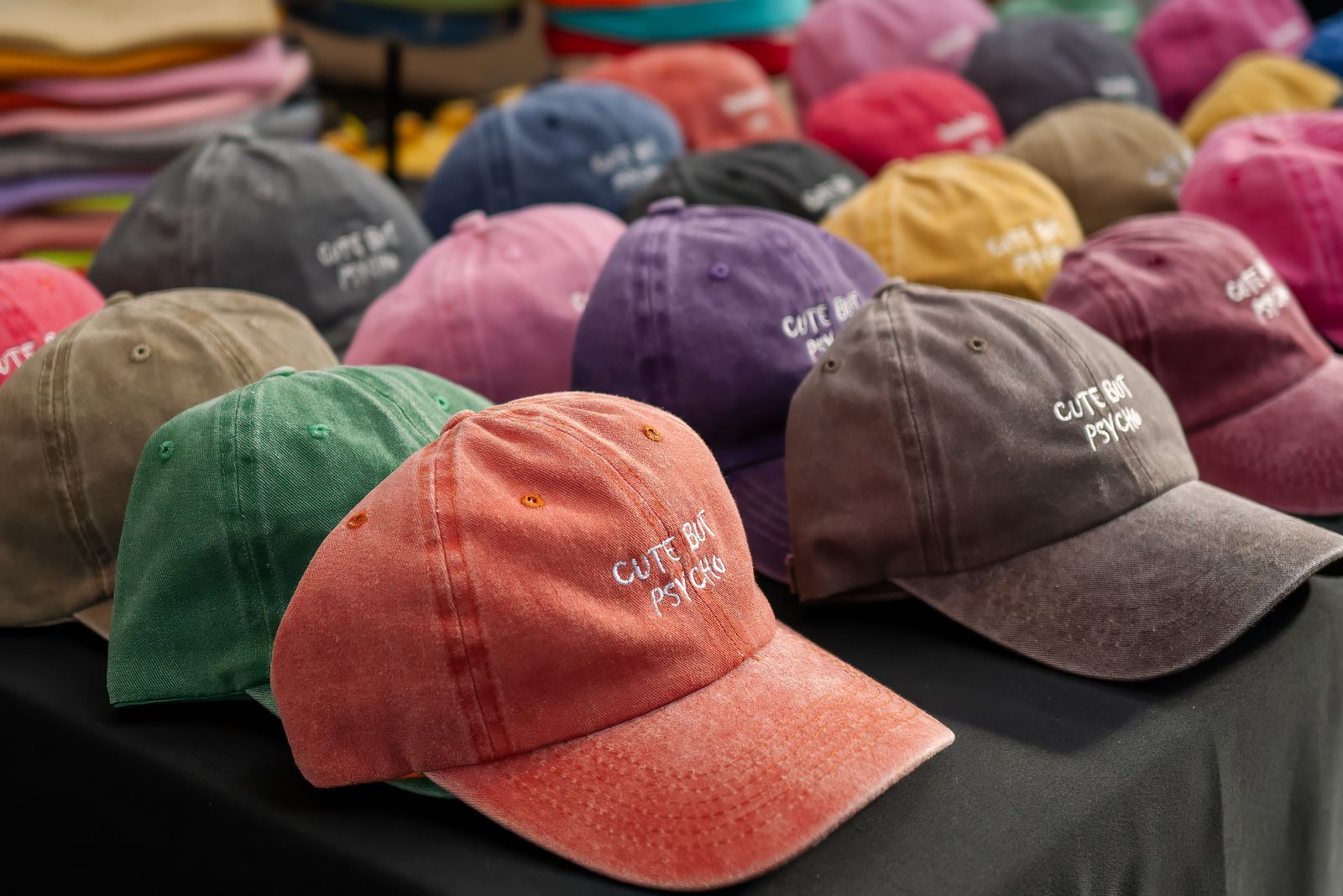
The honest answer to this question is that most home embroidery machines cannot embroider a structured baseball cap properly. The PE900 and SE700 are flat-bed machines: they hoop fabric flat against the needle plate. A structured cap is curved, and the brim seam creates a ridge the hoop cannot clear. The result is design distortion across the seam, not a clean stitchout. What you need for hat embroidery on structured caps is a cap frame, and cap frames require a multi-needle commercial machine in the Brother PR class, starting with the PR680W.
That is not a sales pitch for an expensive machine. It is the physical reality that distinguishes a $600 hobby machine from a $4,000 commercial one.
What a cap frame actually is, and why it matters
A cap frame is a curved hoop assembly that clamps around the brim of a structured cap and holds the front panel flat against the needle plate. The frame itself curves to match the hat’s profile. The front panel sits level under the needle; the rest of the cap hangs down and around the frame.
Without it, a flat-bed hoop grips the cap at an awkward angle, pulling the crown fabric one direction while the brim seam fights the other. At the midpoint of the hoop’s tension zone, the needle crosses the brim at an arc. Small designs in the center of the front panel can survive this; anything that approaches the brim seam does not. The stitches pucker and distort because the fabric underneath is not lying flat.
The cap frame also limits design height to match the cap’s crown: typically about 2.25 inches tall and up to 4 to 5 inches wide, depending on the cap size. That is a real constraint. A large 5x7 motif does not fit on a cap front. Small-to-medium designs, logos, monograms, and text runs within those dimensions are the natural territory.
The flat-bed workaround: patches
If you own a PE900 or SE700 and you want embroidered hats, the practical route is a flat patch. Embroider your design onto a piece of fabric or a pre-made patch blank, cut it out, and stitch or iron it onto the cap. The PE900’s 5x7 field gives you plenty of design room for a patch. A medium cutaway stabilizer on a stable woven backing holds the design cleanly.
Patches are not a compromise in many markets. Patches on caps have their own aesthetic. Custom patch hats are a legitimate product category in streetwear and craft, and they do not signal “the maker couldn’t afford a cap frame.” They signal intent.
The limitation is production pace. On a single-needle PE900, you are running one patch at a time, threading manually between colors, at 650 stitches per minute (verified June 2026 on Brother USA’s PE900 page). At hobby quantities, fine. At order volume, painful.
When you need the PR680W
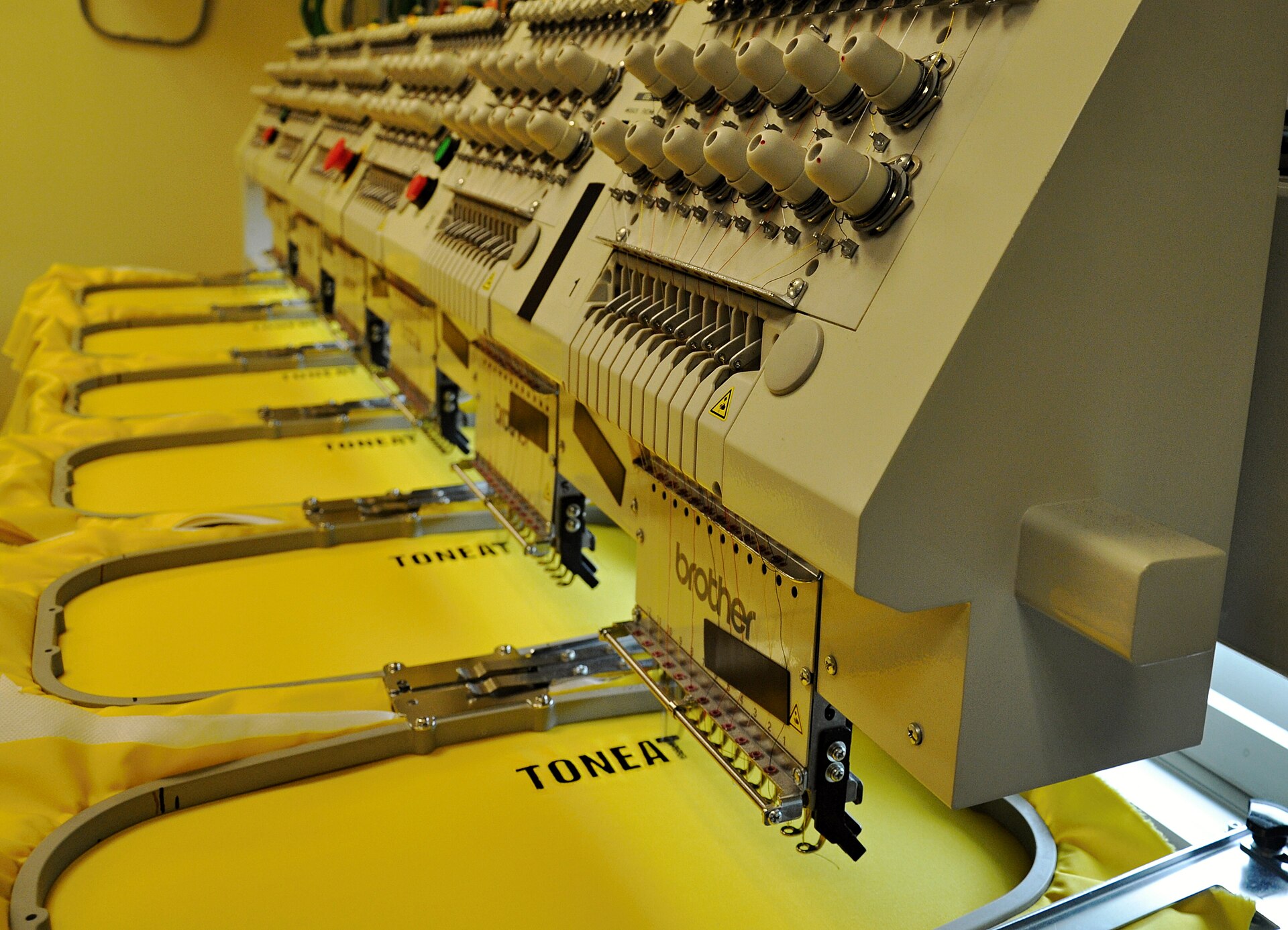
The Brother PR680W is Brother’s six-needle commercial-tier machine, verified June 2026. Its specs: 8x12 inch maximum embroidery field, six needles, 1,000 stitches per minute, 100 built-in designs, a 10.1-inch HD touchscreen, and wireless LAN for design transfer and machine linking. Dealer pricing applies; the machine is not a buy-it-on-Amazon product. Typical dealer pricing runs roughly $3,500 to $4,500 new, though Brother instructs buyers to see dealer for price on their website (verified June 2026).
The cap frame attachment for the PR series is an optional accessory, not included. It positions the cap’s front panel against the needle plate and handles the curved geometry. With it in place, a structured cap can be embroidered with the same stitch quality as a flat hoop project.
The six-needle setup matters for hats because a typical cap logo involves multiple thread colors, and re-threading a single-needle machine between colors is the bottleneck. The PR680W loads six thread cones at once and changes colors by moving to the next pre-threaded needle automatically. A two-color logo on a PE900 requires one stop to re-thread; on the PR680W, it runs through without intervention.
For context on the Brother multi-needle lineup, the PR1055X (verified June 2026 on Brother USA) steps up to ten needles and an 8x14 inch field, with 1,184 built-in designs and confirmed cap frame compatibility. The trade-off is a larger machine footprint and higher dealer pricing.
Spec comparison: what each tier actually gives you for hats
This table covers the machines readers typically ask about when they want to do hat embroidery, with the relevant specs for that use case. All specs verified against Brother USA’s product pages, June 2026.
| Machine | Type | Max field | Needles | Cap frame | Approx. price |
|---|---|---|---|---|---|
| SE700 | Sewing + embroidery combo | 4” x 4” | 1 | No | ~$530 |
| PE900 | Embroidery only | 5” x 7” | 1 | No | $1,179.99 |
| PR680W | Multi-needle commercial | 8” x 12” | 6 | Yes (accessory) | Dealer pricing |
| PR1055X | Multi-needle commercial | 8” x 14” | 10 | Yes (accessory) | Dealer pricing |
The gap between the PE900 and PR680W is real. There is no consumer single-needle machine with a cap frame system in Brother’s current lineup. The structured-hat question is the physical line between the two tiers: below it, patches; above it, direct cap embroidery.
Design size reality for hats
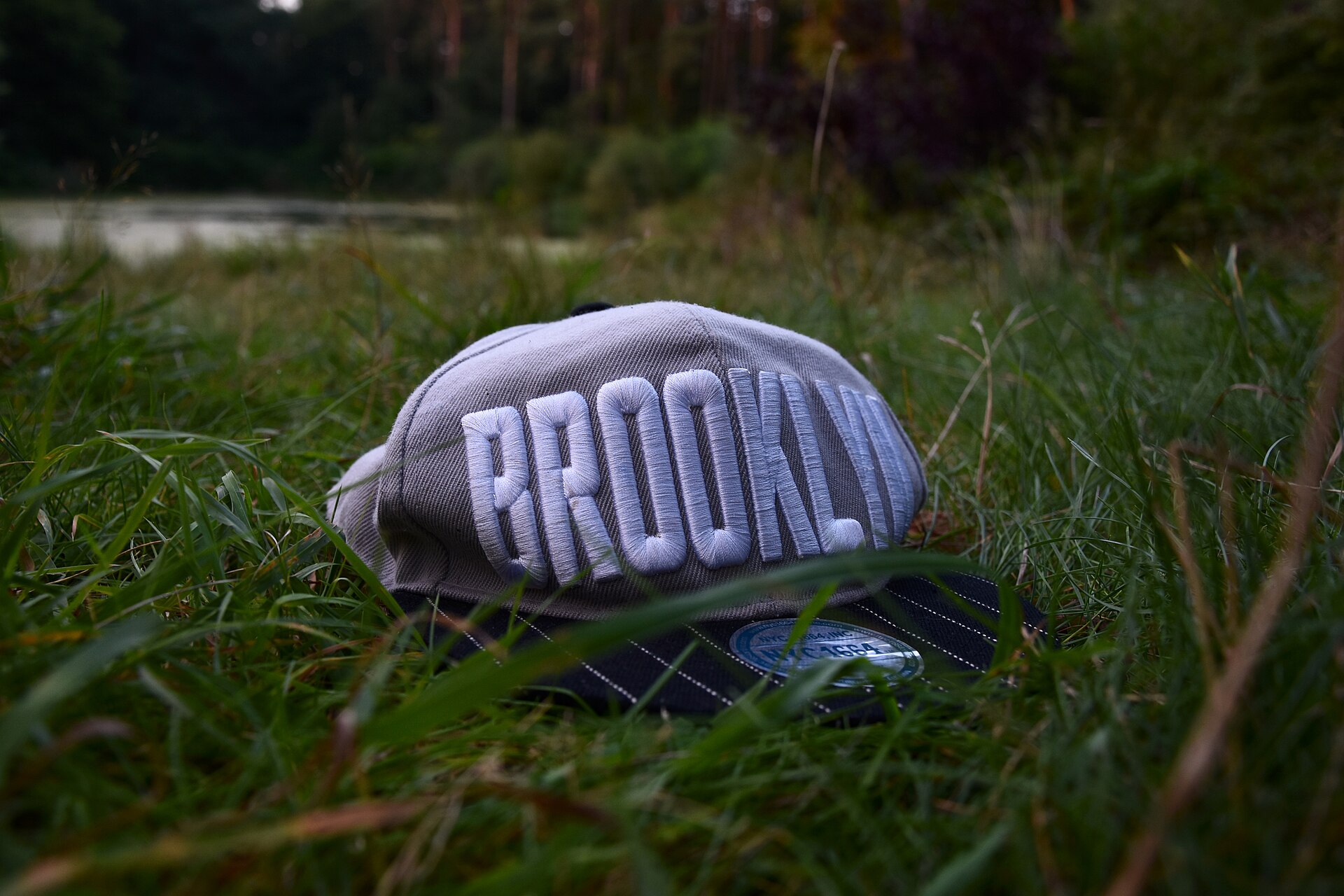
The working design area on a cap front depends on the cap style, but standard fitted and snapback caps allow roughly 2 to 2.5 inches tall by 4 to 4.5 inches wide in the center panel. Flat-brim caps and larger-crowned styles can push to 2.75 inches tall. Low-profile caps compress the working height further.
This matters if you’re digitizing or buying designs for hat work. A standard logo digitized for a 4x4 hoop may fit within the cap front height, but a taller design or one that fills a 5x7 area will not. Hat-specific digitizing keeps designs compact, low, and centered. Fine detail in text below about 0.3 inches in height becomes difficult to read on a structured hat because the cap’s weave and the curved tension cause small stitches to sink or spread. Keep text at 0.4 inches or taller.
Owners in the r/MachineEmbroidery community who work the hat niche consistently report that density matters more on caps than on flat fabric: the cap’s buckram (the stiff front stiffener) absorbs needle penetrations differently from fabric alone, and a design that runs at 1,200 stitches per square inch on a t-shirt may need a digitizing adjustment to sit cleanly on a structured cap front.
The flat-cap category: what home machines can do directly
Unstructured soft-front caps, beanies, knit winter hats, and military-style soft crowns are different. Because these have no buckram stiffener and no rigid brim seam, the front fabric can be coaxed flat enough to hoop in a standard embroidery hoop or floated onto a sticky-backed stabilizer. A PE900 or SE700 can embroider an unstructured beanie or a soft Gatsby-style cap directly if:
- The crown fabric will lay flat in the hoop without distortion.
- You use a medium cutaway stabilizer beneath the fabric and a no-show mesh topper over it, so the knit doesn’t pull through the stitches.
- The design stays within the flat-hoopable panel (typically the front third of the cap, away from the curve of the crown).
The results vary. The further the design sits from the center of the flat panel, the more the fabric tension fights the hoop. Owner reports on Reddit and quilting forums note that soft knit beanies and fleece caps are the easiest; structured canvas or denim-front caps with sewn brim seams are the hardest or impossible on flat beds.
The business angle
Hat embroidery sits at the high-intent end of the embroidery-business market. Custom embroidered caps sell for $15 to $40 retail; blank structured caps cost $3 to $12 wholesale depending on style and quantity. The margin is real, but it requires direct cap embroidery at any volume above a dozen units a month. At that pace, the patch-and-sew approach becomes hours of manual sewing time that eats the margin.
The PR680W, at commercial pricing, is positioned exactly for the home-to-business buyer who has validated there is demand and wants to stop losing hours to re-threading and patch assembly. The machine’s wireless linking supports up to 10 units simultaneously (per Brother’s product page), which is the scaling play for commercial shops.
For buyers not yet at that investment threshold, the PE900 patch route is the honest answer: produce patches professionally with the flat-bed machine you already have or can afford, and revisit the cap frame question when order volume makes the investment straightforward.
If you’re at the decision point between the SE700 and PE900 for embroidery generally, the PE900 vs SE700 comparison covers that fork directly. The stabilizer and backing side of hat embroidery, particularly for patch production, is covered in the embroidery stabilizer guide.