Guides 6 min read
Embroidery Machine Maintenance: What to Do and When
Lint removal every session, needle changes every 8-10 hours, oiling only if your manual says to, and service every 1-3 years. The full schedule and costs.
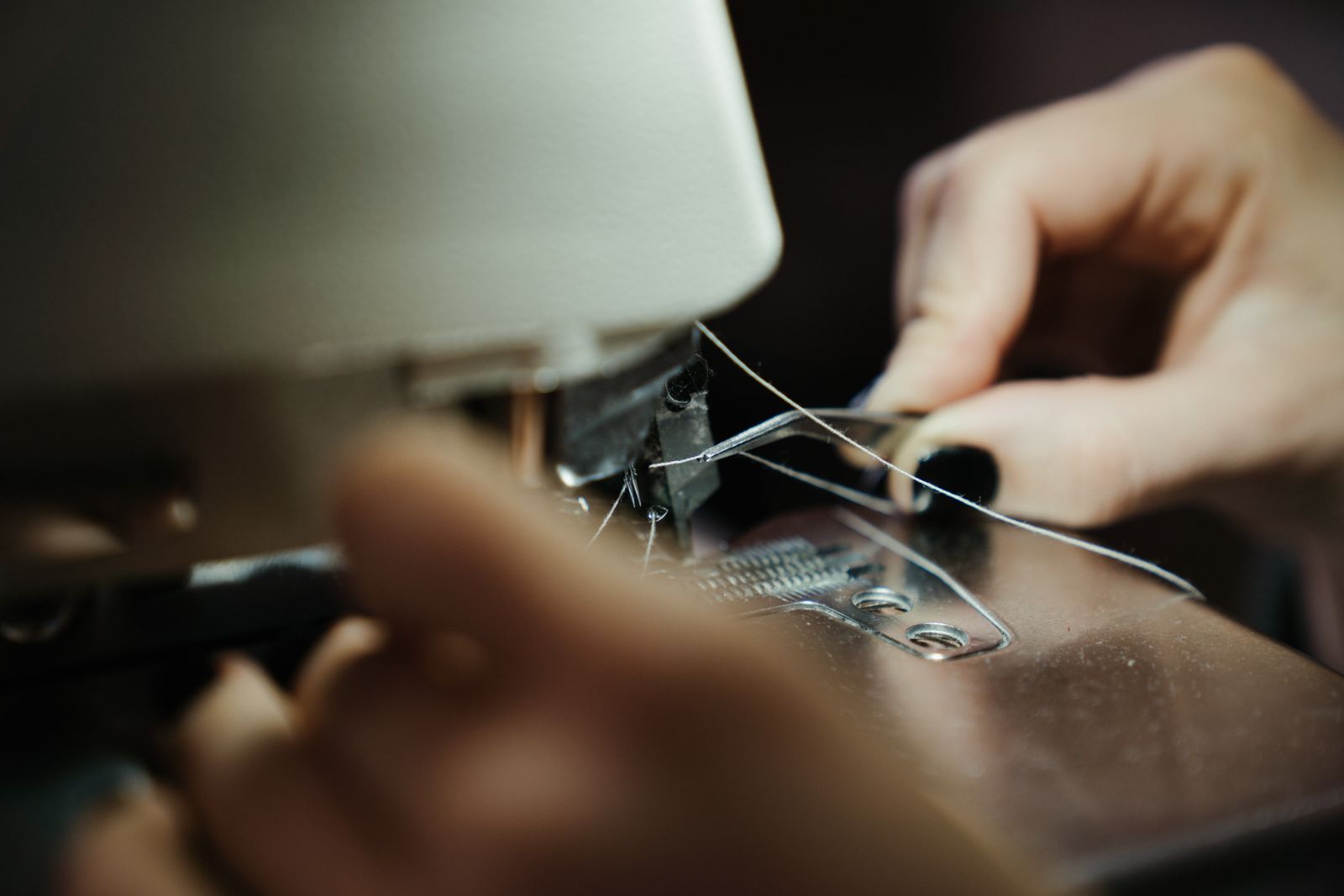
Embroidery machines require three types of care: regular lint removal after every session, needle changes on a schedule, and professional service every one to three years depending on use volume. Understanding which maintenance is home-doable and which requires a technician prevents unnecessary service calls and catches problems before they damage the machine.
After every session: lint removal
Embroidery generates fine lint from thread, stabilizer, and fabric. This lint collects in the bobbin area and hook race. A small amount per session is normal; multiple sessions of accumulation causes stitch problems and thread breaks. On a longer project, don’t wait for the session to end: clean every 2 to 3 bobbin changes instead.
After every embroidery session:
- Remove the bobbin and bobbin case (or follow your machine’s access procedure).
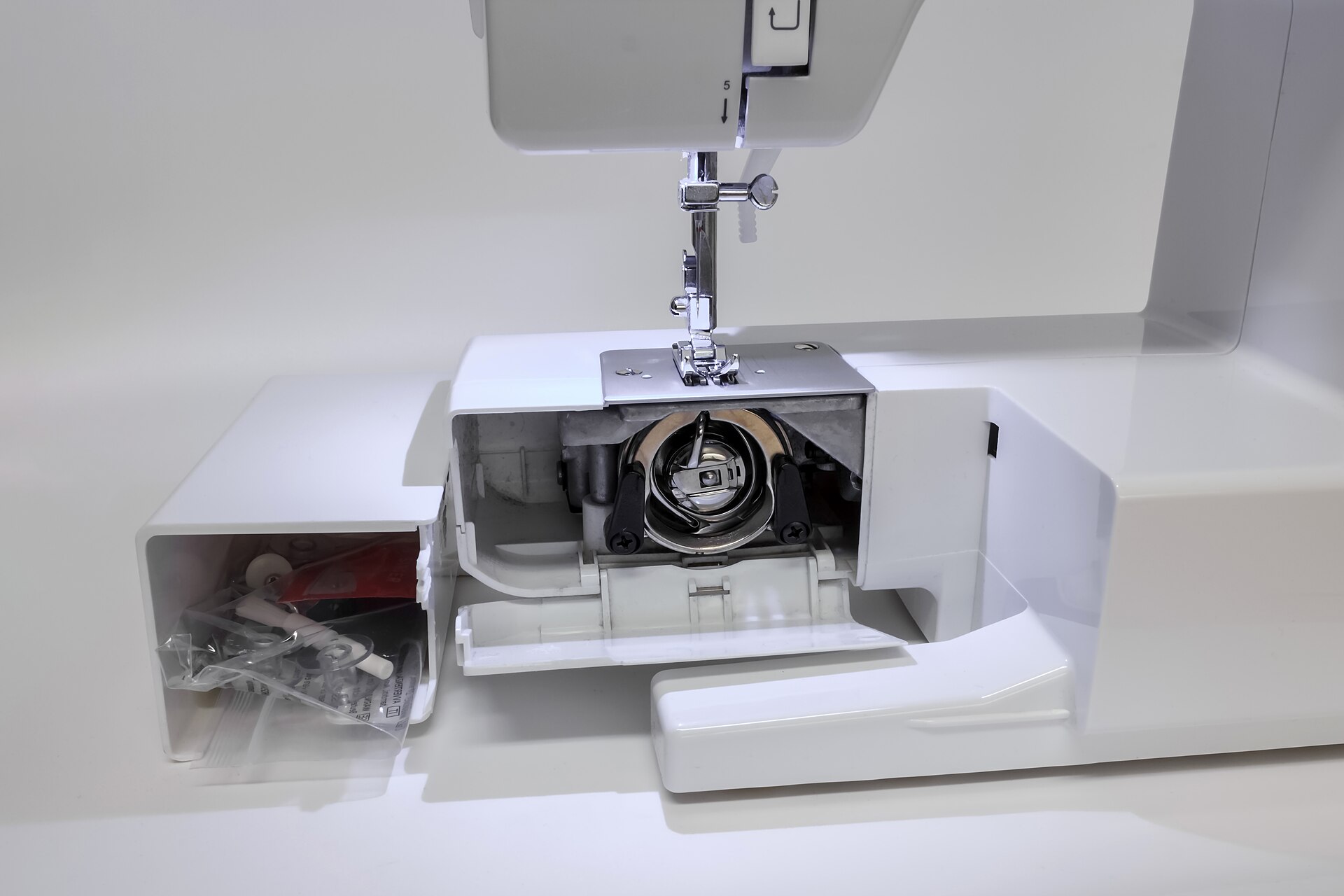
- Use the small cleaning brush that came with your machine to clear lint from the bobbin area. Pay particular attention to the hook race (the circular channel where the hook spins).
- Remove any thread snippets that have accumulated under the throat plate.
- Replace the bobbin case and bobbin.
This takes 2 to 3 minutes. It prevents the majority of lint-caused thread break and stitch-skipping problems that appear after extended use. If the brush that came with your machine goes missing, a small sewing cleaning kit replaces it.
A stand-in for the small brush every machine ships with, for clearing lint from the bobbin area and hook race after a session.
Needle changes: the schedule and the signs
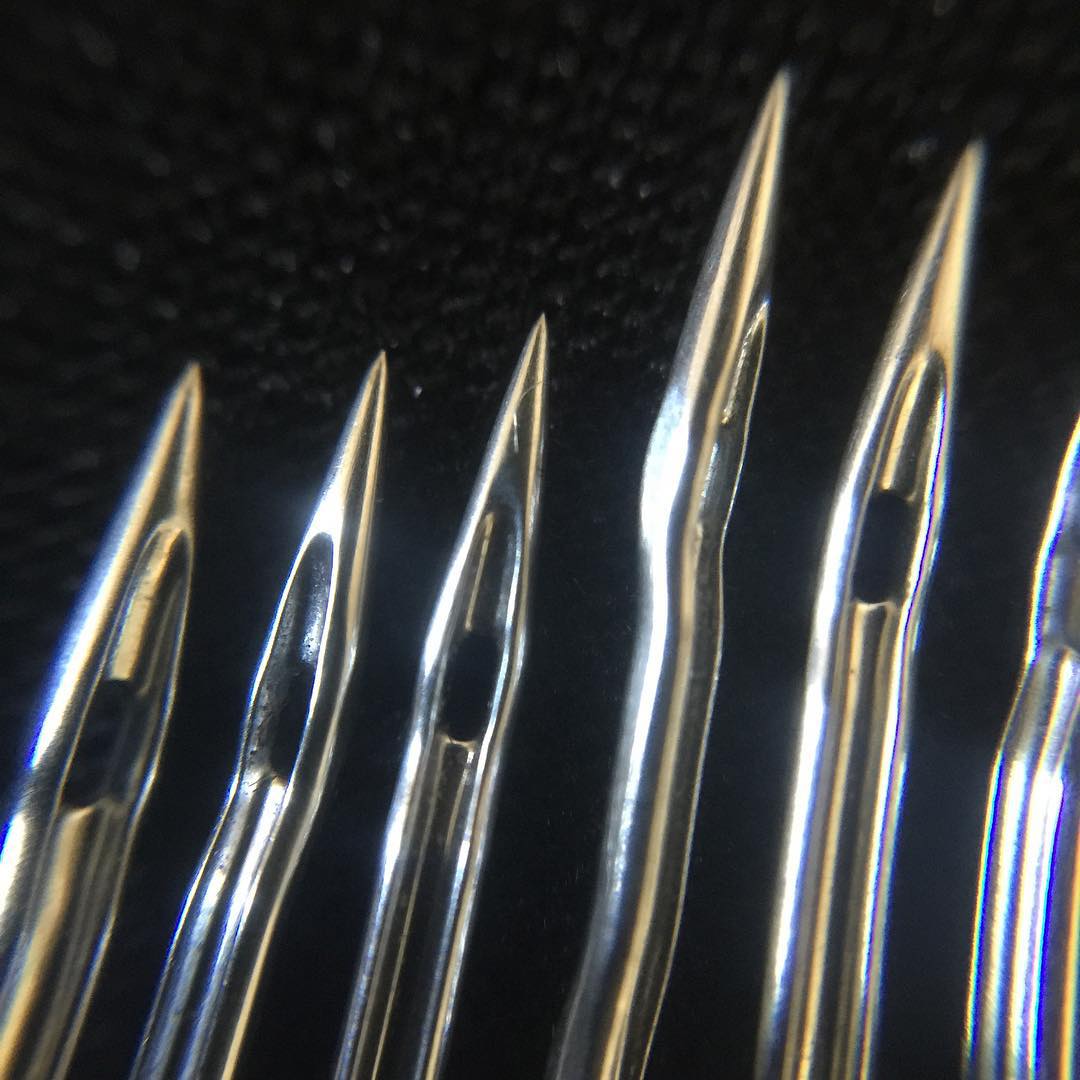
Embroidery needles are inexpensive ($0.50 to $1.50 each). Worn needles are one of the most common causes of stitch problems and are frequently overlooked because the needle still looks intact.
Change the needle:
- Every 8 to 10 hours of embroidery time (preventive schedule)
- Immediately when you notice skipped stitches that do not resolve with re-threading
- Immediately after hitting a pin or any hard object during sewing
- When you hear a popping sound as the needle enters the fabric (indicates a burred point)
- When thread is fraying or breaking near the needle eye (may indicate a burr in the eye)
- When starting a new project on expensive or difficult fabric (start fresh)
Standard embroidery needle for home machines is a size 75/11 (75 for general embroidery, 90/14 for denser designs or heavier fabric). The machine-needles guide covers sizing in detail.
Oiling: read your manual first
This is the point where maintenance advice most commonly goes wrong. Many home embroiderers have read general advice to oil sewing machines regularly, and apply it to their embroidery machines. On many modern home machines, including Brother’s entire PE and SE line, the manual explicitly says “do not oil this machine.” The mechanism is self-lubricating and adding oil attracts lint, gums the mechanism, and can void the warranty.
On sergers (including some Juki Pearl Line machines), oiling is required at specific points per the manual. The hook mechanism on sergers often needs periodic oiling where home embroidery machines do not.
Rule: read your machine’s maintenance section before applying oil. If the manual says to oil, it will specify exactly where and how often. If the manual does not mention oiling, or says not to oil, do not oil.
For machines whose manual specifies oiling points, such as some Juki sergers. Do not use on a machine whose manual says not to oil.
Periodic maintenance: deeper cleaning
Every few months with regular home use, or more frequently for high-volume use:
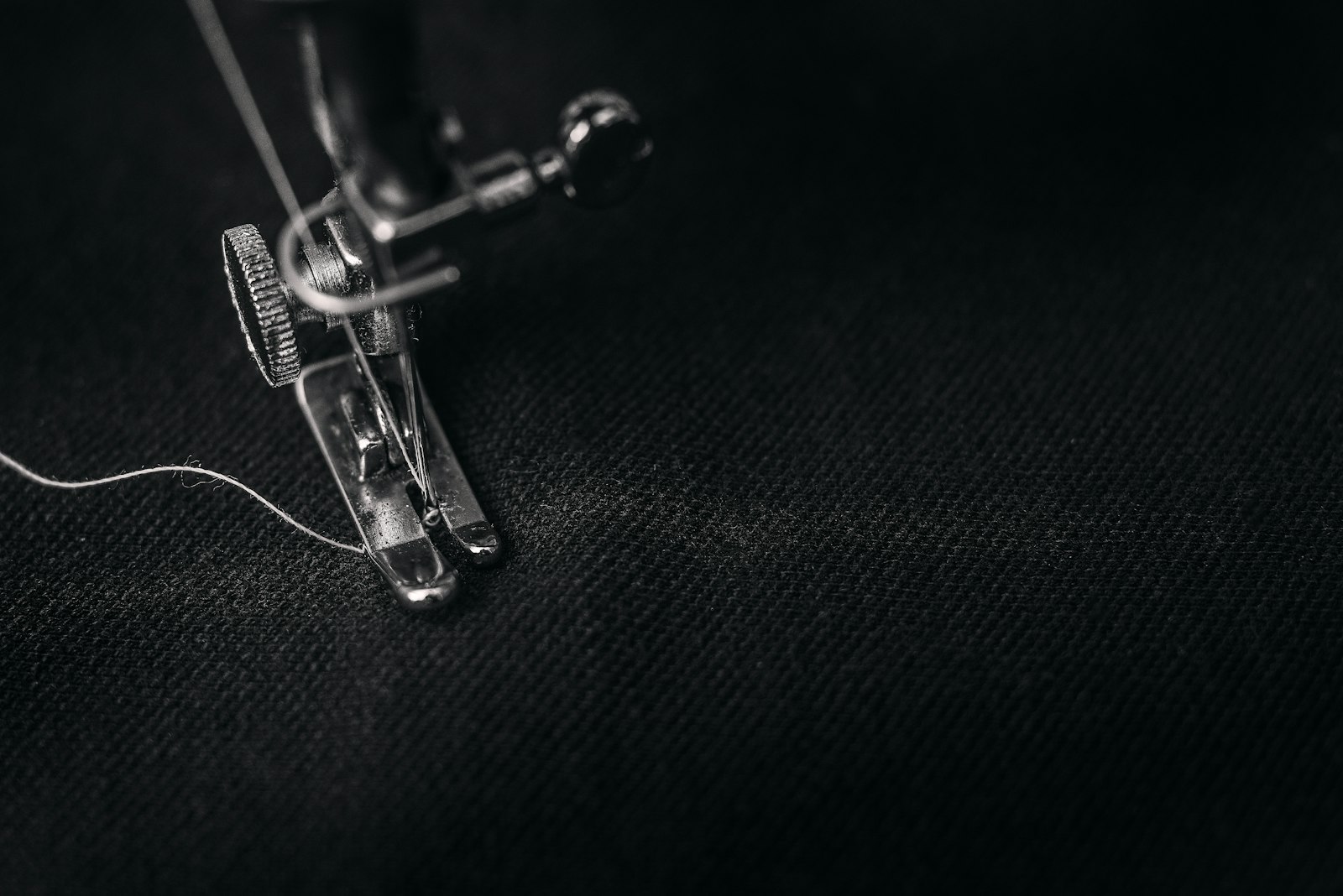
- Under the throat plate. Remove the throat plate (usually unscrews or clips off) and clean the feed dogs and area beneath with your cleaning brush. Lint compacts here and is not reached by surface cleaning.
- Needle bar area. Brush lint from around the needle bar and needle clamp. Lint in this area can cause the presser foot to seat unevenly.
- Thread path. Run a piece of floss or clean thread through each thread guide and tension disc path to dislodge fiber. Do this with the presser foot up so the tension discs are open.
- External wipe-down. Use a dry cloth to remove thread dust and lint from the machine surface. Do not use wet cloths or solvents near the tension discs or hook mechanism.
Maintenance cost summary (home user, moderate use)
| Maintenance task | Frequency | Cost |
|---|---|---|
| Lint removal | After every session | $0 (cleaning brush from kit) |
| Needle change | Every 8-10 hours | $0.50 to $1.50 per needle |
| Deep cleaning | Every 2-3 months | $0 |
| Professional service: clean and adjust | Every 1-3 years | $75 to $150 |
| Professional timing adjustment | As needed (when skipping persists) | $100 to $200 (may include cleaning) |
| Replacement bobbin case | When worn or damaged | $10 to $30 |
| Replacement needle clamp screw | Rarely | $3 to $8 |
Costs estimated from sewing community reports as of 2026. Regional variation is significant; dealers in major metro areas typically charge more than dealers in smaller markets. Request an estimate before authorizing service beyond the standard cleaning.
When to seek professional service
Go to a service center when:
- Skipped stitches or thread breaks persist after re-threading, needle replacement, and tension adjustment. This indicates a timing problem (the needle and hook are not synchronized correctly) that requires recalibration.
- The machine produces a grinding, clicking, or scraping sound it did not make before. Any new mechanical noise during operation should be investigated before continuing use.
- The needle hits the throat plate or bobbin case. This is always a timing or feed alignment issue requiring professional service.
- The machine was dropped or jarred significantly. Internal components can shift without visible external damage.
- Thread forms knots under the fabric on every stitch regardless of re-threading. Severe looper or hook timing issues cause this; not a tension adjustment problem.
- The needle bar doesn’t move smoothly, or the machine runs but produces no stitch formation at all. Both point to an internal mechanical fault beyond what home troubleshooting reaches.
Do not seek professional service for:
- Stitch problems that resolve with re-threading (this is user error, not machine malfunction)
- Tension issues on one or two designs (adjust tension for the specific fabric and design)
- Thread breaks with a worn needle (change the needle first)
Finding a service center
Brother machines can be serviced at authorized Brother service centers. Brother’s website (brother-usa.com) includes a service center locator. Janome machines are serviced through the Janome authorized dealer network. The dealer where you purchased the machine is the first point of contact. Independent sewing machine technicians also service most major brands; check reviews and ask about brand-specific experience before leaving a machine with an independent technician.
For specific machine maintenance guidance, the Brother PE900 review and Janome MC500E review reference their respective manuals’ maintenance sections. The serger tension troubleshooting guide covers the related maintenance questions for serger users.