Reviews 6 min read
Brother 1034D Serger Review: Discontinued Entry Overlocker
The Brother 1034D serger is discontinued. Specs, threading reality from owner reports, what it can and cannot do, and the current ST4031HD as the live replacement.
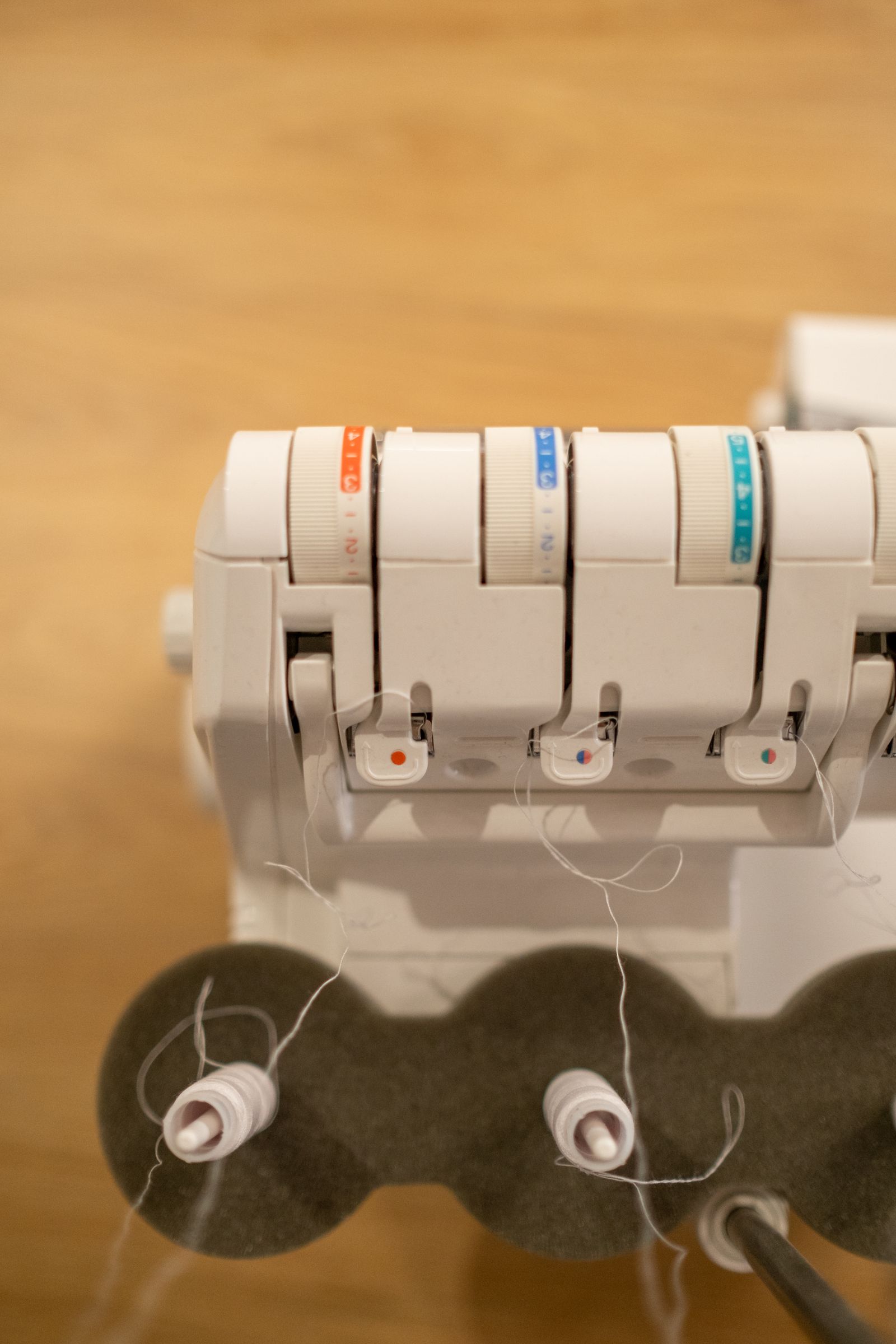
The Brother 1034D was the most-searched entry serger for years. Brother discontinued it. It is listed as out of stock on their website. Used units are still available on Amazon, and the 1034D name comes up constantly because so many machines were sold and so many sewists learned to serge on one.
This review covers the 1034D’s specifications (verified against Brother’s product documentation), what the machine actually does, the threading reality that owners consistently report, and the current ST4031HD as the live alternative for buyers who cannot find a well-priced used 1034D.
What a serger does
A serger is not a sewing machine. It does two things a regular sewing machine cannot:
- It cuts the fabric edge while stitching. A small blade trims the raw edge in line with the stitching.
- It wraps thread around the cut edge in an overlock stitch. The looper threads (2 or 3 of the 3 to 4 threads loaded) encircle the edge and lock it against fraying.
The result is the finished seam allowance edge you find inside every store-bought knit garment. The 1034D cannot replace a regular sewing machine; it finishes edges that a regular machine has already seamed, or it seams and finishes in a single pass on stretch fabrics. For the full distinction between what a serger does and what a coverstitch machine does, the serger vs. coverstitch guide covers both functions with a comparison table.
1034D specs at a glance
| Spec | Brother 1034D |
|---|---|
| Thread count | 3 or 4 thread |
| Needles | 2 |
| Max stitching speed | 1,300 spm |
| Stitch width range | 3mm to 7mm |
| Differential feed range | 0.7 to 2.0 |
| Accessory feet included | 3 |
| Status | Discontinued |
Specs verified against Brother USA product documentation, June 2026.
Threading: what owners actually report
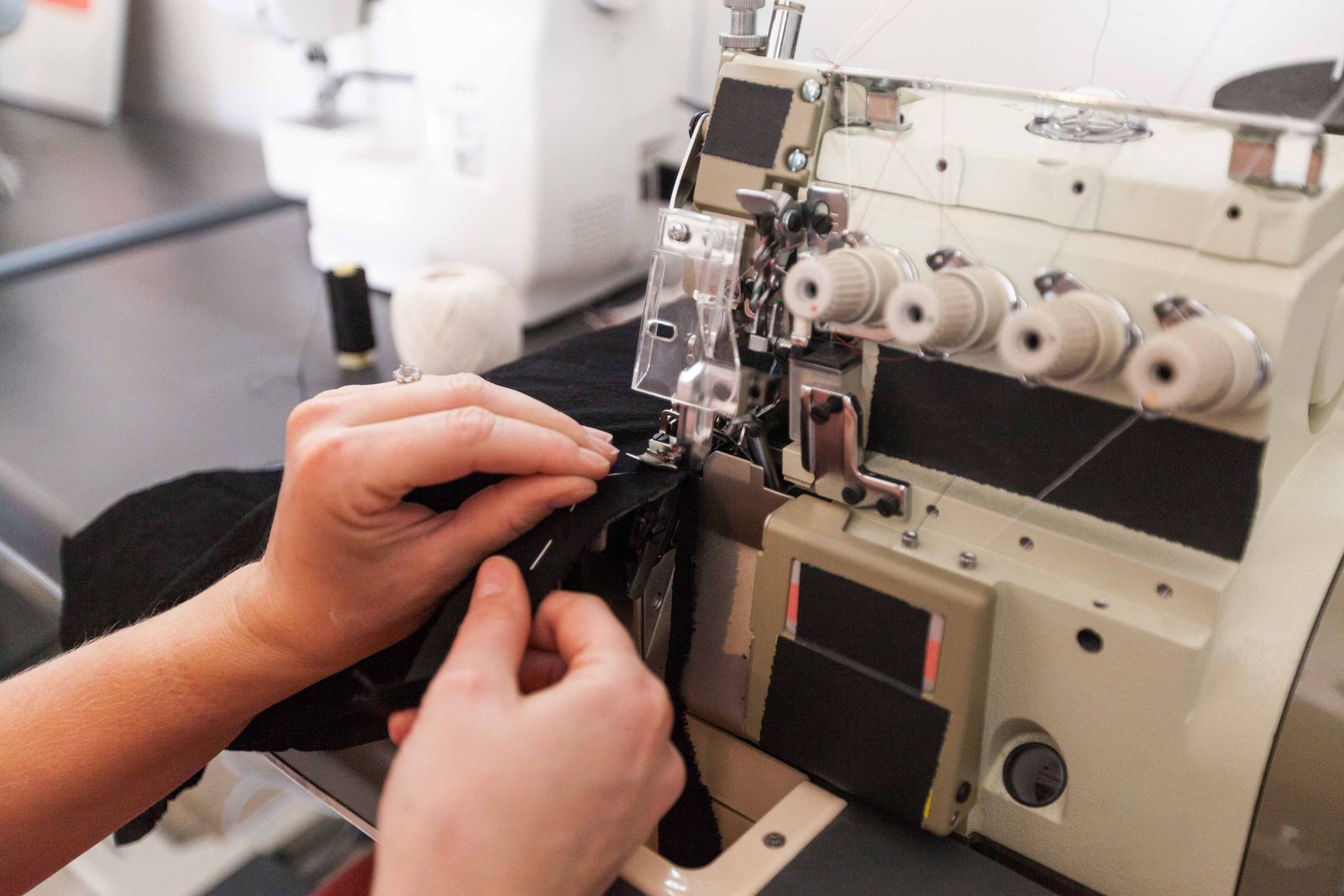
Threading is the most consistently reported challenge on the 1034D. The machine requires loading 3 or 4 threads through independent paths, each with its own tension disc and guide sequence. The threading diagram printed on the machine body color-codes each path.
From owner discussions across sewing forums and retailer review sections:
- First threading: 20 to 30 minutes is typical for beginners. Many owners report their first successful threading taking more than one session.
- After 10 to 20 uses: most owners report the process takes 5 to 10 minutes once the path is memorized.
- Rethreading mid-project: if a thread breaks, only the broken path needs rethreading. Replacing a single thread is faster than a full rethread.
- The looper threading step is the most commonly reported frustration. The lower looper thread path is narrow and requires following the guide marks exactly.
Color-coded threading systems (where each thread path uses a different color arrow on the machine) were not standard on the 1034D. Post-purchase color-coding tape, applied per the guide diagram, is a widely reported community modification.
Differential feed: why it matters for knits
Differential feed is the 1034D’s most practically valuable feature for sewists working with stretch fabrics. The feed ratio (0.7 to 2.0 on the 1034D) controls the relative speed at which the front and rear feed dogs move fabric through the machine:
- Ratio below 1.0 (stretching): the rear feed dog moves faster than the front, stretching the fabric slightly as it feeds. Used on fabric that puckers when gathered.
- Ratio above 1.0 (gathering): the front feed dog moves faster than the rear, easing fabric in slightly. Used on lightweight fabrics prone to stretching out when run through a regular serger.
- Ratio at 1.0: both feed dogs move at the same rate. Standard seaming.
Knit jersey (T-shirts, athletic fabric) and any fabric that stretches under needle pressure benefits significantly from differential feed adjustment. A serger without differential feed puckers or wavy-seams stretch fabric. The 1034D’s 0.7 to 2.0 range covers most home sewing applications.
What the 1034D cannot do
Coverstitch. The 1034D is an overlocker only. Coverstitch (the parallel rows of topstitching on the right side of a knit hem) requires a separate machine. If you sew knit garments and need a professional hem finish, you need either a dedicated coverstitch machine or a combination serger-coverstitch. The serger vs. coverstitch guide explains both functions and when each matters.
Rolled hem below 3mm. The 1034D’s minimum stitch width is 3mm. Some sergers go narrower (1 to 1.5mm) for finer rolled hem work on lightweight fabric. The 1034D’s 3mm floor is adequate for standard garment construction.
Multiple needle configurations beyond 2. The 1034D uses 2 needles. Some higher-tier sergers offer additional needle positions for wider decorative stitch options. The 1034D’s configuration covers functional serging but not the decorative multi-needle stitch types on more advanced machines.
The current alternative: Brother ST4031HD
Brother’s current 3/4 thread serger is the ST4031HD at $429.99 (verified June 2026). The specs are directly comparable to the 1034D in the categories that matter most:
| Spec | 1034D | ST4031HD |
|---|---|---|
| Thread count | 3/4 | 3/4 |
| Max speed | 1,300 spm | 1,300 spm |
| Differential feed | 0.7-2.0 | 0.7-2.0 |
| Status | Discontinued | Current |
| Price | Used market | $429.99 |
The ST4031HD adds a heavy-duty carbon-steel cutting blade and an extension table to the spec list. The functional serging capability is the same.
1034D used versus ST4031HD new
Buy a used 1034D if you find a well-maintained unit from a seller with a return policy, the price is substantially below $429.99, and you are comfortable with an out-of-production machine where parts may be harder to source over time.
Buy the ST4031HD if the price gap between a used 1034D and the $429.99 ST4031HD is narrow, you want current production with manufacturer support, or you want a machine with an established parts channel.
The Juki MO-654DE review covers the primary alternative to the ST4031HD at a similar price tier. For a direct comparison, the 1034D vs. Juki MO-654DE guide covers both machines side by side against the criteria that matter for home serging.
Used 1034D listings are available via Amazon search. For the current production machine: Brother ST4031HD on Amazon.
As an Amazon Associate, Needle Down earns from qualifying purchases.