Reviews 6 min read
Juki MO-654DE Review: Pearl Line Serger at a Home Price
Juki MO-654DE specs, real street price ($549-649), how it compares to the Brother ST4031HD, and what the Juki industrial heritage actually means for home serging.
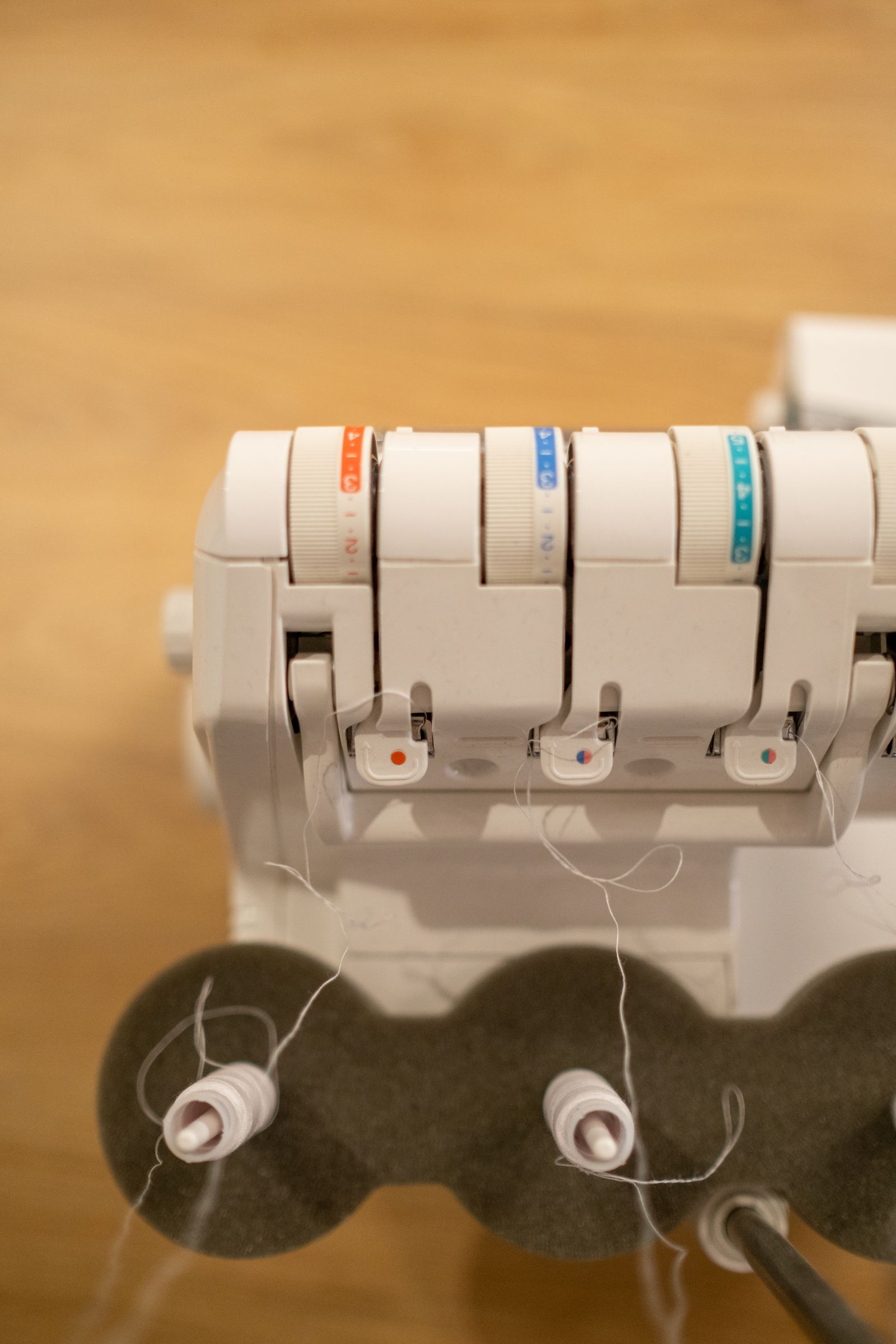
The Juki MO-654DE is a current-production 2/3/4 thread overlocker from Juki’s Pearl Line, priced at $549 to $649 at authorized dealers (verified June 2026). It runs at 1,500 stitches per minute and carries differential feed. Juki makes industrial sewing machines for garment factories; the Pearl Line is where that manufacturing background intersects with home sewing machine pricing.
This review covers the MO-654DE’s verified specs, what street pricing looks like versus Juki’s MSRP, how it compares to the Brother ST4031HD, and the upgrade path within Juki’s Pearl Line. One note up front: the MO-654DE is an overlocker only, no coverstitch. For the twin-needle hem stitch on T-shirt cuffs, that lives on the Juki MO-735 covered in the upgrade path below, or on a dedicated coverstitch machine.
Juki MO-654DE specs at a glance
| Spec | MO-654DE |
|---|---|
| Machine type | 2/3/4 thread overlocker |
| Max speed | 1,500 spm |
| Differential feed range | 0.7:1 to 2.0:1 |
| Stitch width (left needle) | 6mm |
| Stitch width (right needle) | 4mm |
| Stitch length (standard) | 1 to 4mm |
| Stitch length (rolled hem) | 1 to 1.5mm |
| Needle type | HAx1, sizes 11-14 |
| Weight | 15.5 lbs |
| Status | Current production |
| Street price (June 2026) | $549 to $649 |
Specs verified against Jukihome.com product documentation, June 2026.
What the Juki industrial background means in practice
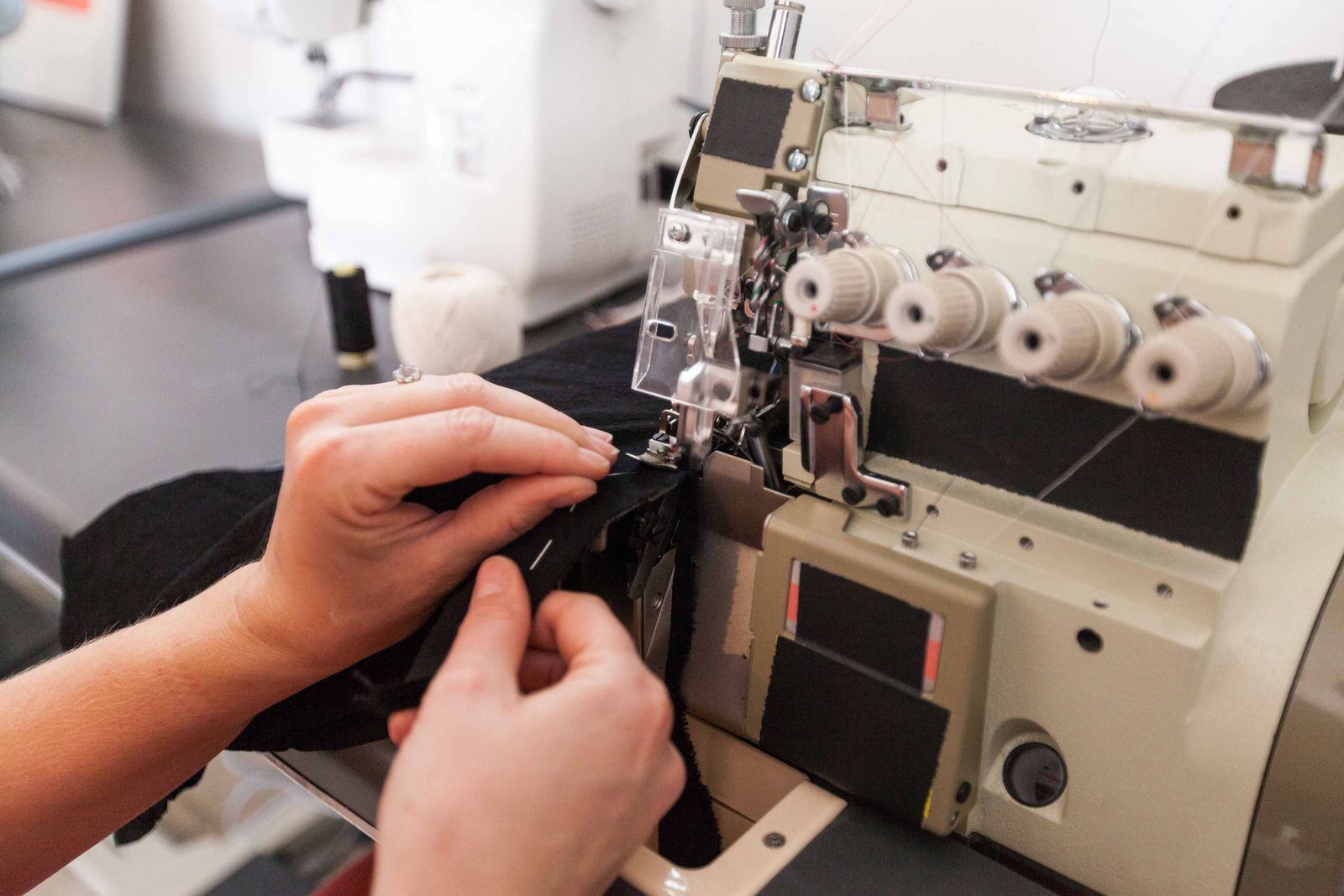
Juki is one of the largest manufacturers of industrial sewing machines. Their machines run in garment factories at production rates measured in shifts per day. The Pearl Line for home sewers is not the same machine, but the design engineering that goes into the Pearl Line starts from people who spend time on factory floors.
What this means for the MO-654DE: the machine body is heavier than most entry home sergers (15.5 lbs), the internal mechanism tolerates extended use without overheating at home sewing volumes, and the general construction quality in the mechanism reflects a manufacturer who cares what happens after the sale.
This is not a spec you will find on the product page. It is a reputation built over years of owner reports in sewing communities, where the MO-654DE comes up alongside machines costing more as something that holds its settings, threads the same way after years of use, and does not need calibration on every thread change. It is an entry serger with the internal quality level of a machine that sells for more.
Within Juki’s own lineup, the MO-654DE sits as the Pearl Line’s entry model, one step up from Juki’s lower-tier ML and MO-series entry sergers and several steps below the coverstitch-equipped MO-735 covered later in this review.
Performance specs: speed and differential feed
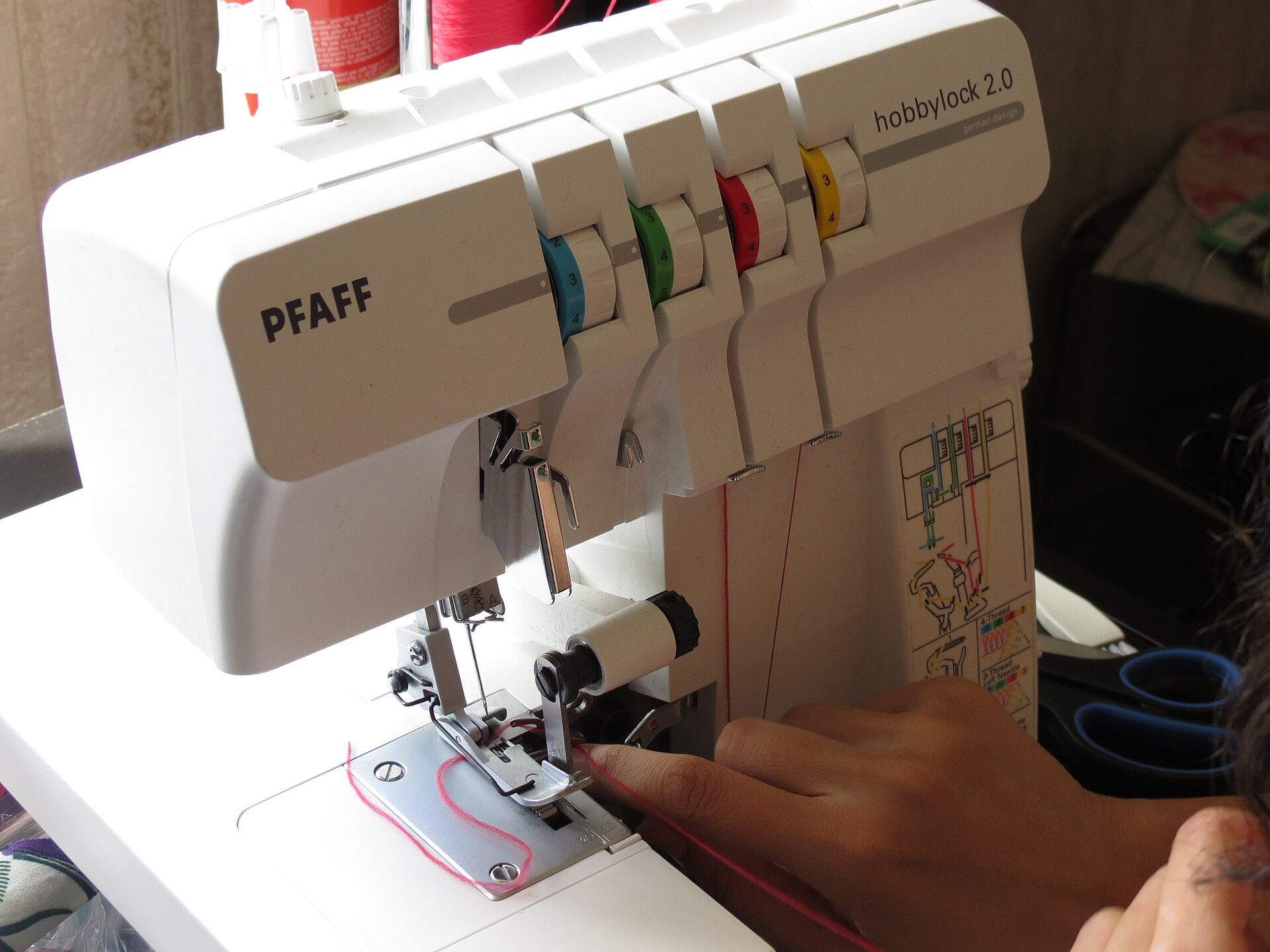
At 1,500 spm, the MO-654DE runs faster than the discontinued Brother 1034D (1,300 spm) and at the same maximum speed as the Brother PQ1500SL quilting machine. For home sewing volumes (a few garments per week), the speed advantage is not about finishing faster. It is about motor smoothness. A machine with a higher spm ceiling runs the actual sewing speed with less load on the motor, which translates to quieter operation and more even feed through multiple fabric layers.
The differential feed range (0.7:1 to 2.0:1) covers every standard home sewing application:
- Below 1.0: rear feed faster than front, stretches fabric slightly. Used on fabric that puckers.
- Above 1.0: front feed faster than rear, eases fabric in. Used on fabric that stretches under the needle (knit jersey, athletic fabric).
- At 1.0: standard seaming.
For knit garments (T-shirts, activewear, underwear, anything that stretches), differential feed is not optional. It is the feature that determines whether the seam comes out flat or puckered. The MO-654DE’s 0.7 to 2.0 range covers the full span of knit types a home sewer will encounter.
Street price versus MSRP: how to read Juki’s pricing
Juki lists the MO-654DE at $1,399 MSRP on jukihome.com. The actual street price at authorized dealers in June 2026 is $549 to $649. This gap is not unique to Juki. Premium sewing machine brands commonly list a high MSRP that authorized dealers routinely discount by 40 to 60 percent. The machine selling for $549 at Quality Sewing is the same machine listed at $1,399 on the brand page.
When evaluating the MO-654DE’s value, the relevant comparison number is the street price ($549 to $649), not the MSRP.
MO-654DE versus Brother ST4031HD
The direct comparison most buyers make is between the MO-654DE and Brother’s current entry serger, the ST4031HD at $429.99.
| Spec | MO-654DE | Brother ST4031HD |
|---|---|---|
| Max speed | 1,500 spm | 1,300 spm |
| Differential feed | 0.7-2.0 | 0.7-2.0 |
| Status | Current | Current |
| Street price | $549-649 | $429.99 |
The MO-654DE costs $120 to $220 more than the ST4031HD and runs faster. The differential feed range is the same on both machines. The price difference is real: the ST4031HD is the less expensive option.
The tradeoff is the Juki’s build quality and reputation for longevity in sewing communities. For a buyer who sews a few projects per year, the $429.99 ST4031HD covers the use case. For a buyer who serges multiple garments per week and expects the machine to last through a decade of use, the MO-654DE’s manufacturing background matters.
For a detailed side-by-side on both machines against the criteria that matter for home serging, the 1034D vs. Juki MO-654DE comparison covers both at the same price tier.
The upgrade path: MO-735 and MO-1000
Juki offers two machines above the MO-654DE in the Pearl Line:
Juki MO-735 (MSRP $2,099): Adds coverstitch (2-needle wide, 2-needle narrow, 3-needle) and chainstitch. 2/3/4/5 thread, 24 total stitch options, 1,500 spm. The MO-735 is relevant for buyers who sew knit garments and want both overlocking and coverstitching in one machine, the two functions that matter most for knit construction. It is not a minor upgrade from the MO-654DE; it is a different product tier.
Juki MO-1000 (MSRP $2,299): Same 2/3/4 thread overlock function as the MO-654DE but adds looper air-threading (no manual looper threading) and an automatic needle threader. Threading a serger is the most commonly cited challenge for new serger owners; the MO-1000 eliminates it for the looper threads.
For the MO-654DE’s price point, neither upgrade is necessary. They are relevant when the threading process becomes a time constraint (MO-1000) or when coverstitch is required for the work (MO-735).
Who should buy the MO-654DE
Buy the MO-654DE if you sew knit garments regularly (T-shirts, activewear, anything stretch), you want a serger that will hold up to frequent use, or the $549 to $649 street price represents the right value for a machine with this reputation. It is a better long-term machine than the ST4031HD at $120 to $220 more.
Stay with the ST4031HD if your budget caps at $429.99, your serging volume is light (a few projects per year), or you want the lowest-risk entry point into serging before committing to a higher price. Both machines cover the core overlock function for home sewing.
The MO-654DE is available on Amazon (ASIN B00VGU9F7C) and through authorized Juki dealers. For context on what a serger does versus what a coverstitch machine does (a distinction relevant when evaluating whether the MO-735 upgrade is necessary), the serger vs. coverstitch guide covers both functions with a comparison table.
As an Amazon Associate, Needle Down earns from qualifying purchases.