Guides 7 min read
First Embroidery Machine Buying Guide: Four Decisions
Field size, budget, embroidery-only vs combo, and the file-format ecosystem: the four decisions that cover the market, each with specific model picks.
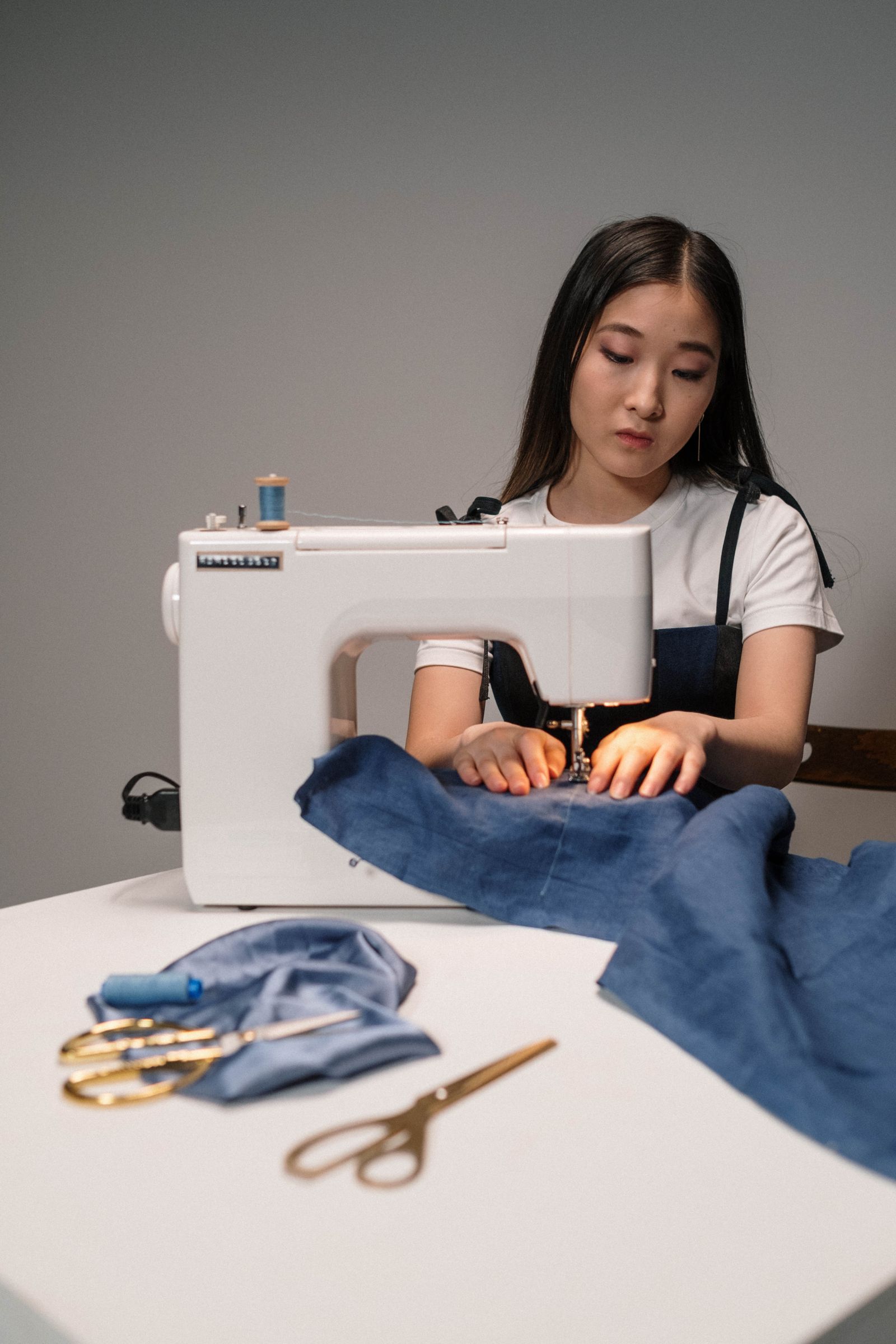
The embroidery machine market narrows to four decisions: how large a field you need, how much you want to spend, whether you want embroidery only or a combo machine, and which file format ecosystem you are buying into. Every specific model question follows from those four.
Decision 1: How large a field do you need?
The embroidery field is the maximum design area the machine can stitch in one hoop placement. Most designs on Etsy and major embroidery marketplaces are built for 4x4 or 5x7 fields because those are the most common home machine sizes. Check what you want to embroider against this table:
| What you’re embroidering | Typical design size | 4x4 OK? | 5x7 needed? |
|---|---|---|---|
| Left-chest polo logo | 2.5-3.5” wide | Yes | No |
| Small monogram (3 letters) | 2-4” | Yes | No |
| Large sweatshirt logo | 4-5” wide | Borderline | Yes |
| Large towel monogram | 4-6” tall | No | Yes |
| Baby blanket name | 5-7” wide | No | Yes |
| Quilt block | 6-8” | No | No (needs 7.9”+ field) |
| Jacket back lettering | 8-11” | No | No (needs 7.9”+ field) |
For most first-time buyers whose intended projects are left-chest logos, small monograms, and decorative accents on garments: a 4x4 field covers the work. For buyers who know they want to do large patches, quilt work, or back-of-garment designs: start at 5x7 or you will be limited from day one.
Decision 2: What is your budget?
| Budget | What you get | Best option |
|---|---|---|
| $300-500 | Entry 4x4 embroidery only | Brother PE535 (4x4 field, 80 designs, embroidery only) |
| $500-650 | Mid 4x4 with sewing capability | Brother SE700 ($579.99, 4x4 combo sewing and embroidery) |
| $1,100-1,250 | Mid 5x7 embroidery only | Brother PE900 ($1,179.99, 5x7 field, 193 designs) |
| $2,200-2,500 | Large field 7.9x11 | Janome MC500E ($2,399+, authorized dealers only) |
Prices verified June 2026 against manufacturer and authorized dealer pages.
The jump from $580 to $1,180 buys a larger field (4x4 to 5x7) and a shift from a combo machine to an embroidery-dedicated machine. For buyers who are not sure whether embroidery will become a serious hobby, the SE700 at $579.99 is the lower-risk entry: if it becomes a serious pursuit, the 4x4 field will eventually feel limiting and the upgrade makes sense at that point. If it stays occasional, the lower investment is appropriate.
Decision 3: Embroidery-only vs combo machine
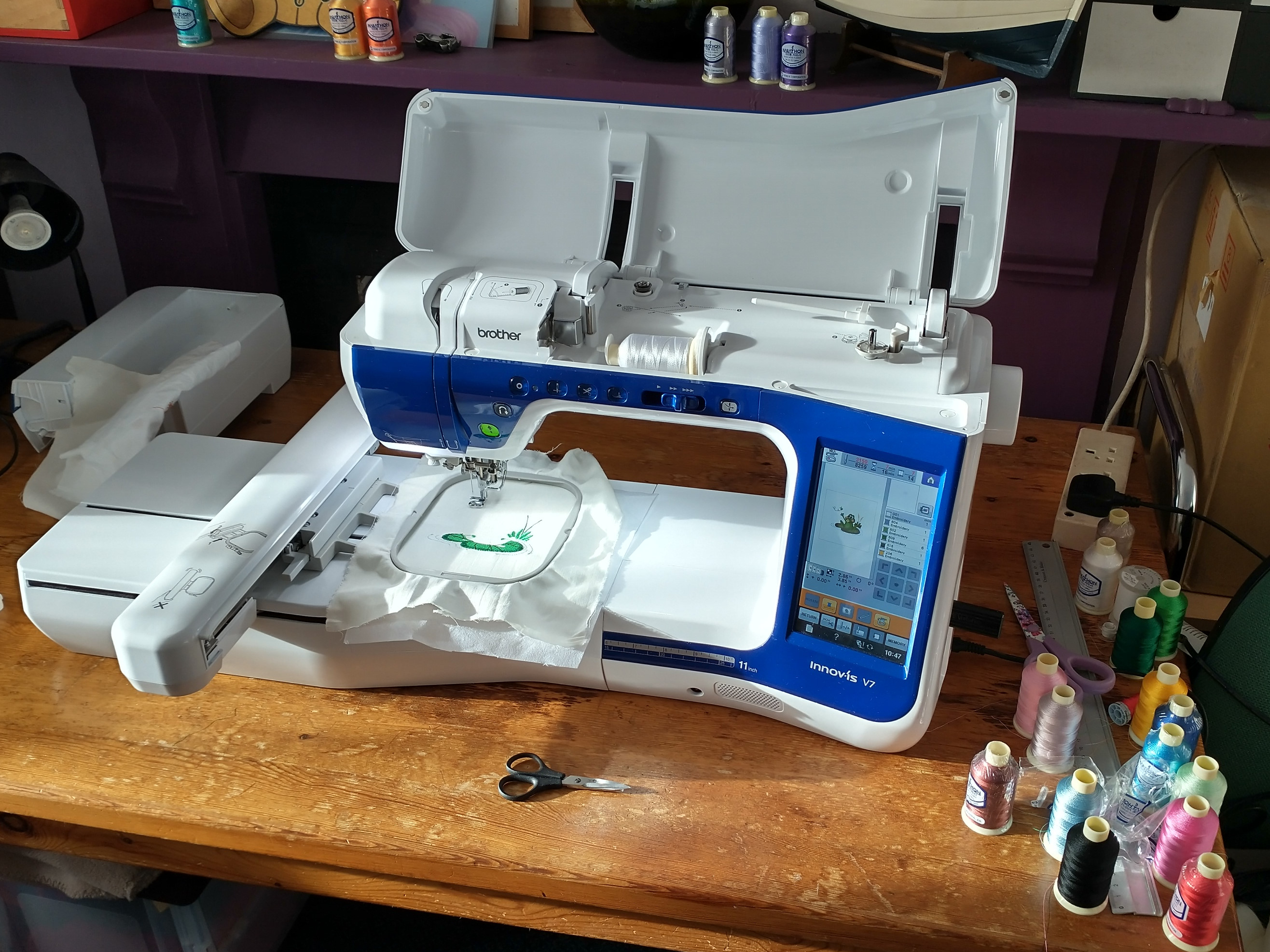
Combo machines (Brother SE700, Brother SE600 before discontinuation) include both a standard sewing mode and an embroidery mode. The embroidery field maxes at 4x4 on Brother’s combo line. You can switch between sewing garments and embroidering on the same machine. The tradeoff: the 4x4 field ceiling and a machine that does two things rather than one very well.
Embroidery-only machines (Brother PE535, Brother PE900, Janome MC500E) have larger fields and simpler workflows because they are designed for one task. They do not sew straight seams in a standard fashion. For embroiderers who own a separate sewing machine, an embroidery-only machine at the same price point offers more field for the dollar.
If you do not own a sewing machine and budget is a constraint, the SE700 combo solves both needs at $579.99. If you own a sewing machine you are satisfied with and want to add embroidery, the PE900 at $1,179.99 gives you 5x7 field and a dedicated workflow for $600 more than the SE700.
Decision 4: File format ecosystem
The designs you buy or download must be in the correct format for your machine. The two dominant formats in home embroidery:
- PES: Brother’s native format. The most widely available format for pre-made designs. If you plan to buy designs on Etsy, Embroidery Library, or Urban Threads, the PES selection covers everything.
- JEF: Janome’s native format. Also widely available on major marketplaces, usually bundled with PES in multi-format downloads.
Multi-format bundles, common on Etsy and other paid embroidery sites, usually throw in a DST file too, alongside the PES and JEF. DST is a generic format for machines outside these two ecosystems. Use whichever file matches your machine and ignore the rest.
Switching brands later (from a Brother PES machine to a Janome JEF machine, or vice versa) requires conversion software for existing design files. Starting on Brother keeps you in the largest PES ecosystem.
The embroidery file formats guide covers PES, JEF, DST, and conversion software in detail.
What comes with the machine vs what you still need
What machines typically include:
- Machine and embroidery arm
- 1 to 3 hoops (size varies by machine)
- Basic accessory feet (embroidery foot, standard sewing foot on combos)
- A few pre-wound bobbins
- A small thread selection (10 to 40 colors, quality varies)
- USB cable or USB drive (varies by model)
What you will need to buy separately:
- Stabilizer. The most immediate purchase. Cutaway stabilizer is the standard for knit fabric and T-shirts; tearaway is for woven fabric. A 100-count pack of each (12x10 inch sheets) gives enough material to start. The embroidery stabilizers guide covers types and fabric pairing.
- A wider thread palette. The 10 to 40 colors that ship with the machine run out fast once you are stitching real designs instead of test patterns.
- Replacement bobbin thread. 60-weight polyester bobbin thread in white and black covers most needs. Pre-wound bobbins are convenient; self-wound from a cone is cheaper per-use.
- A fabric marking pen. For centering a design on a garment before hooping: mark the center point and grainline with a disappearing-ink or water-soluble pen so the hoop goes on straight the first time.
- Designs. The built-in designs on every machine are enough to test the machine and learn setup, but not enough to make the projects you actually want. Design sets on Etsy range from $1 to $15 per design set.
A 40-weight variety pack with Brother-matched color numbers. The practical first thread purchase beyond what ships with the machine.
Covers most designs. Pre-wound bobbins skip the winding step; cone thread is cheaper per use if you wind your own.
For marking the center point and grainline before hooping, so the design lands straight the first time.
Specific recommendations by buyer type
You want to try embroidery without committing a large budget: Brother PE535 (4x4, embroidery only) or the SE700 if you also need a sewing machine. Either one gives you a functional starting machine with full PES format access.
You want a first embroidery machine you will not outgrow quickly: Brother PE900 ($1,179.99, 5x7 field). The 5x7 field covers everything from small logos to most towel and garment designs. The majority of home embroiderers do not need more than 5x7. The Brother PE900 review covers its specific capabilities with owner-reported data.
You already sew and want to add embroidery without replacing your sewing machine: Brother PE900. Embroidery-only at 5x7 gives you more field than the combo machines at the same tier.
You need a field larger than 5x7: Janome MC500E at $2,399 from an authorized dealer. The 7.9x11 field is the next tier up. Very few home embroiderers need this before they have outgrown a 5x7 machine with serious use. The Janome MC500E review covers who this machine is actually for.
The hoop sizes guide
The hoop sizes guide covers the specific design dimensions that fit in each field size and which hoops come standard with which machines. If you are unsure whether 4x4 or 5x7 covers your intended projects, read that first.
The Brother PE900 vs SE700 comparison addresses the most common fork directly: embroidery-only 5x7 vs combo 4x4 at $600 apart.